
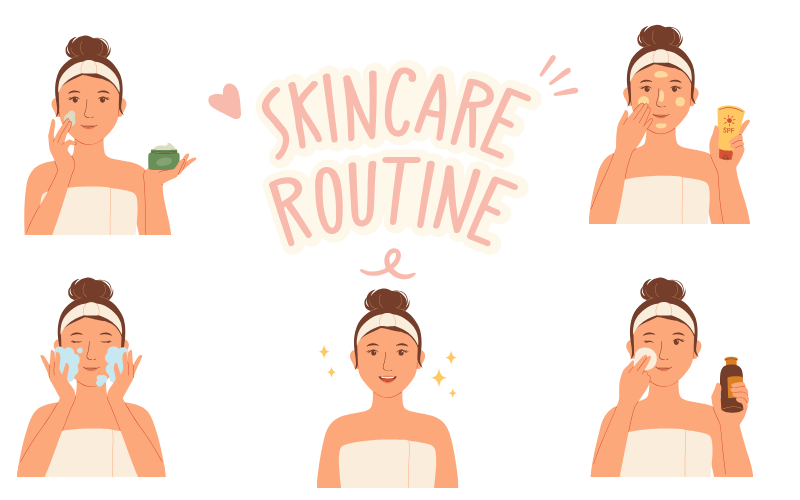
An organic skincare routine is a natural and effective way to nourish the skin while avoiding harmful chemicals, synthetic preservatives, and artificial fragrances. Many commercial skincare products contain parabens, sulfates, phthalates, and silicones, which can cause irritation, breakouts, and long-term skin damage.
Switching to organic skincare helps maintain healthy, radiant skin while being environmentally conscious. This guide covers the key benefits, essential products, and a step-by-step plan to transition to an organic skincare routine successfully.
Why Switch to an Organic Skincare Routine
An organic skincare regimen prioritises natural ingredients derived from plants, minerals, and botanical extracts. These ingredients are packed with antioxidants, vitamins, and essential fatty acids that repair, hydrate, and protect the skin.

Key Benefits of Organic Skincare
- Free from toxins – no parabens, artificial fragrances, or harsh chemicals
- Gentle on skin – reduces redness, irritation, and allergic reactions
- Rich in nutrients – contains vitamins, minerals, and natural oils
- Supports skin’s natural balance – works with the skin’s microbiome rather than against it
- Eco-friendly – uses sustainable ingredients and biodegradable packaging
Step-by-Step Guide to Starting an Organic Skincare Routine
Step 1: Detox Your Skin from Chemical-Based Products
Before switching to organic skincare, allow your skin to adjust and recover from synthetic chemicals. Stop using products containing:
- Sodium Lauryl Sulfate (SLS) – a foaming agent that dries the skin
- Parabens – linked to hormonal imbalances
- Artificial fragrances – can cause allergic reactions and irritation
- Alcohol-based toners – strip natural oils, leading to dryness
How to Detox Your Skin Naturally
- Drink plenty of water to flush out toxins and hydrate skin
- Use a honey and oatmeal mask to soothe and gently exfoliate
- Switch to a natural cleanser with mild, organic ingredients
Expect an adjustment period of two to four weeks as your skin purges impurities before showing improvements.
Step 2: Identify Your Skin Type and Needs
Understanding your skin type helps you choose the right organic ingredients.
| Skin Type | Best Organic Ingredients |
|---|---|
| Oily Skin | Tea tree oil, witch hazel, aloe vera |
| Dry Skin | Shea butter, coconut oil, rosehip oil |
| Sensitive Skin | Chamomile, oatmeal, calendula |
| Combination Skin | Jojoba oil, green tea, rose water |
| Mature Skin | Argan oil, vitamin C, pomegranate extract |
Choose cold-pressed oils and herbal extracts for the most potent skincare benefits.
Step 3: Build Your Organic Skincare Routine
A simple organic skincare routine should include cleansing, toning, moisturising, and sun protection.
Gentle Cleansing (Morning and Night)
Use a sulfate-free, organic cleanser to remove dirt, makeup, and impurities.
Best organic cleansers:
- Honey and aloe cleanser – soothes and hydrates
- Oil-based cleansers (jojoba or coconut oil) – ideal for removing makeup naturally
- Green tea and clay face wash – detoxifies and controls excess oil
Toning for Skin Balance
Toners help restore the skin’s pH balance and tighten pores. Avoid alcohol-based toners, which dry out the skin.
Best organic toners:
- Rose water – hydrates and soothes
- Apple cider vinegar (diluted) – balances pH and prevents breakouts
- Cucumber and aloe vera mist – refreshes and calms sensitive skin
Store organic toners in a glass spray bottle for easy application.
Moisturising with Natural Oils and Creams
A good organic moisturiser keeps skin hydrated and protected. Choose a product based on your skin type.
Best organic moisturisers:
- Shea butter and jojoba oil – for dry skin
- Aloe vera gel and green tea extract – for oily or acne-prone skin
- Argan oil and vitamin E – for anti-ageing benefits
Avoid commercial creams with synthetic silicones and artificial preservatives.
Sun Protection with Natural SPF
Sunscreen is essential to protect the skin from UV damage and premature ageing. Instead of chemical sunscreens, use mineral-based SPF.
Best natural sunscreen ingredients:
- Zinc oxide and titanium dioxide – provide broad-spectrum UV protection
- Raspberry seed oil – contains natural SPF properties
- Aloe vera and coconut oil – soothe sun-exposed skin
Step 4: Weekly Organic Skincare Treatments
Incorporate natural exfoliation and face masks for deep nourishment.
Natural Exfoliation (Once or Twice a Week)
Exfoliate to remove dead skin cells and promote a glowing complexion.
Gentle organic scrubs:
- Oatmeal and honey scrub – hydrating and soothing
- Coffee and sugar scrub – brightens and tightens skin
- Rice flour and yogurt scrub – evens out skin tone
DIY Organic Face Masks (Once a Week)
Best homemade face masks:
- Avocado and honey mask – deeply moisturising
- Turmeric and yogurt mask – brightens skin and reduces pigmentation
- Clay and green tea mask – detoxifies oily skin
Mix face masks with organic rose water for an added boost of hydration.
Step 5: Adopt a Holistic Approach to Skincare
Healthy skin starts from within. Support your organic skincare routine with:
- A skin-friendly diet – eat antioxidant-rich foods like berries, nuts, and leafy greens
- Omega-3 fatty acids – found in flaxseeds and fish oil, help maintain hydration
- Hydration – drink at least two litres of water daily to keep skin plump and clear
- Quality sleep – aim for seven to eight hours of rest to allow skin to repair
- Stress management – practice meditation or deep breathing to prevent breakouts
Common Myths About Organic Skincare
Myth 1: Organic Skincare Doesn’t Work as Well as Chemical Products
Natural skincare uses high-quality, nutrient-rich ingredients that repair and protect skin naturally.
Myth 2: Natural Products Have a Short Shelf Life
Many organic products contain natural preservatives like vitamin E, rosemary extract, and essential oils to maintain freshness.
Myth 3: Switching to Organic Skincare Shows Instant Results
It takes time for the skin to adjust. The benefits become noticeable after four to six weeks of consistent use.
Conclusion
Starting an organic skincare routine is a long-term investment in healthier, glowing skin. By switching to natural cleansers, hydrating oils, herbal toners, and plant-based sunscreens, you protect your skin while avoiding toxic ingredients.
Commit to a clean beauty routine and enjoy the pure, nourishing power of nature.