
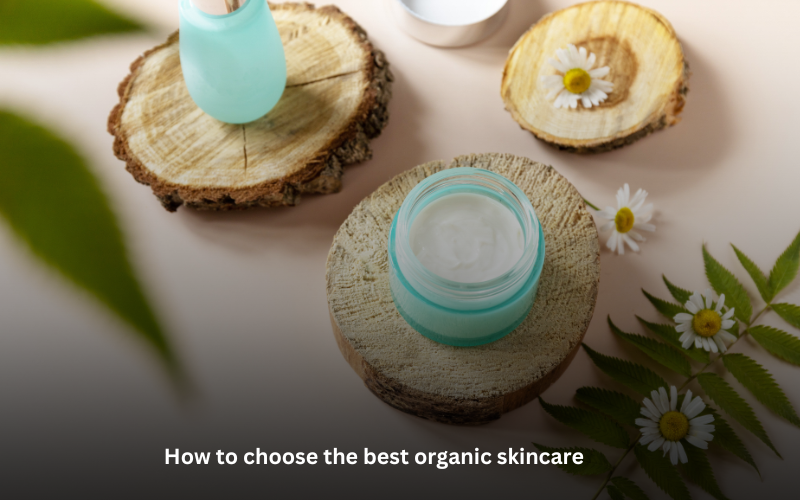
The skincare industry is flooded with products claiming to be “organic” and “natural,” but not all of them live up to their promises. Many so-called organic skincare products still contain synthetic preservatives, artificial fragrances, and hidden chemicals that can irritate the skin.
Choosing the best organic skincare products requires more than just trusting marketing labels. It involves understanding ingredients, checking certifications, and knowing what works for your skin type. Whether you’re looking for an organic cleanser, moisturiser, or serum, this guide will help you make informed choices that support healthier skin.
Why Choose Organic Skincare?
Switching to organic skincare is about more than just avoiding harsh chemicals. It’s about nourishing the skin with plant-based ingredients that promote hydration, repair, and protection.
Benefits of Using Organic Skincare
- Free from toxic chemicals – No parabens, sulfates, or synthetic preservatives
- Rich in vitamins and antioxidants – Protects skin from environmental damage
- Gentle on sensitive skin – Minimises irritation and allergic reactions
- Sustainable and eco-friendly – Reduces harm to the planet and supports ethical sourcing
- Works with the skin’s natural balance – Enhances skin health without disrupting its microbiome
Understanding Organic Skincare Labels
1. What Does “Organic” Really Mean?
Not all products labelled as “organic” are genuinely free from harmful chemicals. Some contain only a small percentage of organic ingredients while still including synthetic additives.
Look for certified organic skincare, which ensures high-quality, natural formulations.
2. Recognised Organic Certifications
To guarantee purity, check for the following trusted organic certification logos:
| Certification | Region | Standards |
|---|---|---|
| Soil Association Organic | UK | Requires at least 95% organic ingredients |
| COSMOS Organic | Europe | Ensures sustainability and no GMOs |
| USDA Organic | USA | 95% organic, strict farming regulations |
| Ecocert | Global | Limits synthetic ingredients to 5% |
| NaTrue | Europe | Strict rules for natural and organic cosmetics |
When shopping, choose products that carry one of these logos to ensure authenticity.
How to Identify the Best Organic Skincare Ingredients
Choosing organic skincare isn’t just about avoiding chemicals; it’s about finding the right natural ingredients for your skin type.
1. Best Organic Ingredients for Different Skin Types
| Skin Type | Recommended Ingredients |
|---|---|
| Dry Skin | Shea butter, coconut oil, aloe vera |
| Oily Skin | Witch hazel, green tea, jojoba oil |
| Sensitive Skin | Chamomile, oat extract, calendula |
| Combination Skin | Rosehip oil, squalane, aloe vera |
| Mature Skin | Argan oil, vitamin C, pomegranate extract |
These plant-based ingredients nourish the skin while keeping it balanced and hydrated.
2. Ingredients to Avoid in Organic Skincare
Even some products labeled as “organic” may contain hidden synthetic chemicals. Avoid:
- Parabens – Synthetic preservatives linked to hormone disruption
- Sodium Lauryl Sulfate (SLS) – Harsh foaming agent that strips natural oils
- Artificial Fragrances – Can trigger allergies and skin irritation
- Petrochemicals – Clogs pores and disrupts the skin barrier
- Phthalates – Found in synthetic fragrances, linked to skin sensitivity
Always check the ingredients list instead of just relying on front-label claims.
Choosing the Right Organic Skincare Products
1. Selecting the Best Organic Cleanser
A good cleanser removes dirt, oil, and makeup while maintaining the skin’s natural moisture balance.
Best organic cleansers for each skin type:
- Dry skin – Cream cleansers with aloe vera and shea butter
- Oily skin – Gel-based cleansers with tea tree oil and witch hazel
- Sensitive skin – Fragrance-free cleansers with chamomile and oat milk
Tip: Avoid foaming cleansers with sulfates, as they can strip the skin’s protective barrier.
2. Finding an Effective Organic Moisturiser
A great moisturiser locks in hydration, repairs the skin barrier, and prevents dryness.
Key considerations:
- Choose non-comedogenic oils like jojoba or rosehip for acne-prone skin
- Opt for rich butters like shea or mango butter for deep hydration
- Look for hydrating humectants like glycerin or hyaluronic acid for plumper skin
Best Organic Moisturisers:
| Skin Concern | Ideal Moisturiser Ingredients |
|---|---|
| Fine Lines | Argan oil, vitamin E, hyaluronic acid |
| Dull Skin | Rosehip oil, aloe vera, vitamin C |
| Eczema/Redness | Calendula, chamomile, oat extract |
3. Choosing an Organic Serum for Targeted Skincare
Organic serums are concentrated treatments that address specific skin concerns.
Best organic serums for common skin concerns:
- Brightening – Vitamin C, turmeric, licorice root
- Anti-ageing – Bakuchiol, rosehip oil, coenzyme Q10
- Acne control – Tea tree oil, niacinamide, willow bark extract
Serums should be applied before moisturising for maximum absorption.
4. Picking the Right Organic Sunscreen
Natural sunscreens use mineral-based SPF to protect against UV rays.
Look for:
- Zinc oxide – Broad-spectrum sun protection
- Titanium dioxide – Gentle on sensitive skin
- Raspberry seed oil – Offers light SPF protection
Avoid chemical sunscreens with oxybenzone and avobenzone, as they can disrupt hormones.
Tips for Switching to an Organic Skincare Routine
Transitioning to organic skincare takes time, especially if your skin is accustomed to synthetic formulas.
1. Make the Switch Gradually
- Start with one product at a time, such as a cleanser or moisturiser
- Allow two to four weeks for the skin to adjust
- Avoid using too many new ingredients at once
2. Patch-Test New Products
- Apply a small amount behind the ear or on the wrist
- Wait 24-48 hours to check for reactions
3. Store Organic Products Correctly
- Use airtight containers to prevent oxidation
- Keep products away from direct sunlight
- Choose brands that use natural preservatives like vitamin E and rosemary extract
Conclusion
Choosing the best organic skincare products is about more than just picking items labelled “natural.” Understanding ingredients, certifications, and how different formulations work with your skin type ensures a more effective and healthy skincare routine.
By prioritising clean, plant-based ingredients, you protect your skin from toxins while supporting eco-friendly and cruelty-free beauty practices.
Investing in high-quality organic skincare is not just about beauty—it’s about long-term skin health.