
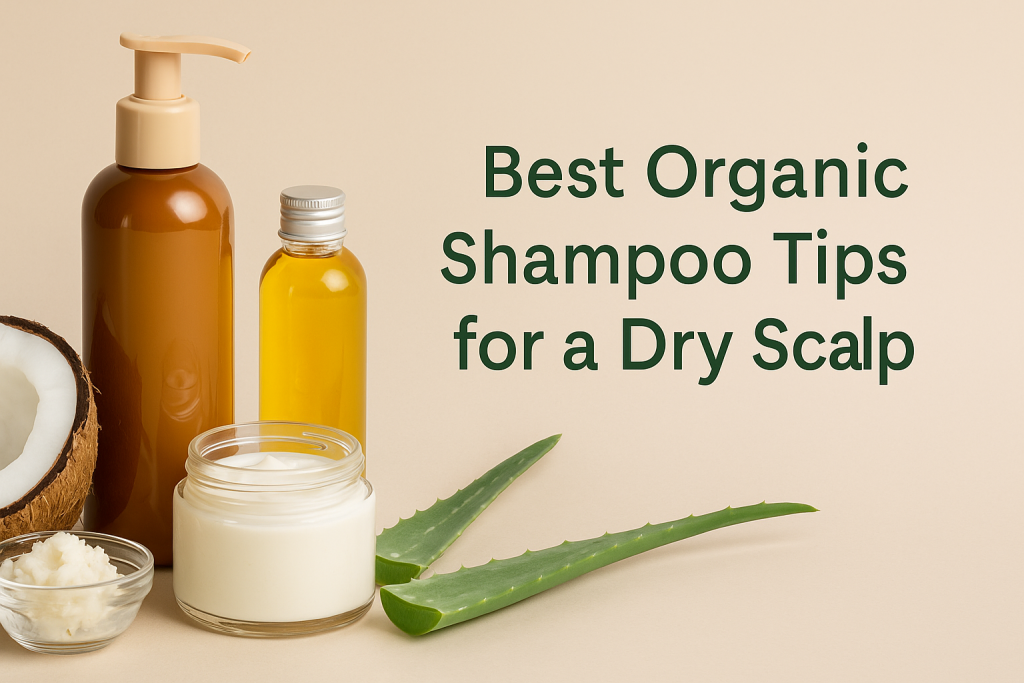
Dry scalp is more than just an occasional itch or flake—it’s a sign that your scalp’s natural barrier may be compromised. Whether it’s caused by harsh weather, product buildup, poor diet, or an imbalance in pH, a dry scalp can lead to discomfort, flakiness, inflammation, and even hair thinning over time.
While conventional shampoos may promise fast relief, many of them contain sulphates, synthetic fragrances, and preservatives that can actually make the problem worse. That’s where organic shampoos come in—a gentle, effective, and nourishing alternative to help restore moisture, soothe irritation, and support a healthier scalp environment naturally.
This guide will explore the causes of dry scalp, the benefits of switching to an organic shampoo, key ingredients to look for, recommended products, and practical tips to help you build a routine that leaves your scalp hydrated and your hair stronger than ever.
What Causes a Dry Scalp?
Understanding the root of the issue is the first step to choosing the right solution. A dry scalp often occurs when the skin on the scalp loses its natural oils or becomes inflamed.
Common Causes of Dry Scalp:
- Harsh shampoos with sulphates or alcohols
- Cold, dry weather or indoor heating
- Excessive washing or over-cleansing
- Allergic reactions to synthetic ingredients
- Lack of hydration or poor diet
- Underlying conditions like eczema or psoriasis
Symptoms may include:
- Flakiness (white, dry flakes)
- Itching or tightness
- Redness or inflammation
- Dull, dry, or brittle hair
Why Choose Organic Shampoo for Dry Scalp?
Conventional shampoos often contain ingredients like sodium lauryl sulphate (SLS), artificial fragrance, and parabens, which can strip natural oils from your scalp and disrupt its balance.
In contrast, organic shampoos use plant-derived ingredients, essential oils, and natural cleansers that cleanse gently while adding moisture and nutrients.
Benefits of Organic Shampoo:
- Free from harsh chemicals
No SLS, silicones, or synthetic preservatives. - Soothes irritation naturally
Ingredients like aloe vera, chamomile, and tea tree help reduce redness and inflammation. - Restores moisture balance
Nourishing oils like coconut, argan, and jojoba mimic the scalp’s natural sebum. - Eco-friendly and non-toxic
Biodegradable ingredients and sustainable packaging are common in organic lines. - Safe for sensitive skin
Ideal for those with allergies, eczema, or chemical sensitivities.

Top Ingredients to Look for in Organic Shampoo
To effectively treat a dry scalp, you need ingredients that cleanse without stripping, hydrate deeply, and reduce inflammation.
Key Ingredients:
| Ingredient | Benefits for Dry Scalp |
|---|---|
| Aloe vera | Hydrates, cools, and heals irritated skin |
| Tea tree oil | Antifungal, antimicrobial; fights flakiness |
| Chamomile | Soothes itching and reduces inflammation |
| Coconut oil | Moisturises and strengthens hair |
| Argan oil | Adds shine and locks in hydration |
| Jojoba oil | Closely mimics natural sebum |
| Shea butter | Rich in vitamins A and E; deeply moisturising |
| Apple cider vinegar | Restores pH and removes buildup |
| Oat extract | Calms sensitive skin and reduces dryness |
Look for products with these ingredients at the top of the ingredient list—not just sprinkled in for marketing purposes.
How to Choose the Right Organic Shampoo for Dry Scalp
With so many options available, it can be hard to know what’s truly organic and what’s just “greenwashed.” Here’s how to make an informed choice.
1. Check for Certifications
Look for seals like:
- USDA Organic
- COSMOS Organic
- ECOCERT
- Soil Association
These certifications ensure that the product is genuinely organic and free from harmful chemicals.
2. Avoid Sulphates and Silicones
These can worsen dryness and create buildup over time.
3. Go Fragrance-Free or Naturally Scented
Artificial fragrances can be irritating. Choose products scented with essential oils like lavender, rosemary, or mint.
4. Read the Ingredient List
Avoid vague labels like “natural blend.” Instead, check that beneficial oils and plant extracts are listed near the top.
Top Organic Shampoo Brands for Dry Scalp (UK and Global)
Here are some trusted, well-reviewed organic shampoos formulated to relieve dryness and nourish your scalp.
| Brand | Product | Key Ingredients |
|---|---|---|
| Green People (UK) | Daily Aloe Shampoo | Aloe vera, chamomile, yucca |
| John Masters Organics | Scalp Stimulating Shampoo | Spearmint, meadowsweet, zinc |
| Rahua | Hydration Shampoo | Rahua oil, shea butter, passionfruit |
| 100% Pure | Burdock & Neem Healthy Scalp | Tea tree, burdock, neem, kelp |
| Acure Organics | Simply Smoothing Shampoo | Marula oil, coconut water |
| Faith in Nature | Coconut Shampoo | Coconut oil, organic fragrance |
Most of these are vegan, cruelty-free, and packaged in eco-friendly containers. They work gently over time and are great for both dry scalp and dry hair.
How to Use Organic Shampoo for Best Results
Even the best shampoo needs proper technique to be effective.
Step-by-Step Routine:
- Brush Your Hair Before Showering
This loosens flakes and helps distribute natural oils. - Use Lukewarm Water
Hot water dries the scalp and strips oils. - Apply Shampoo to Scalp Only
Focus on massaging gently with your fingertips—not nails. - Rinse Thoroughly
Residue can worsen dryness and flakiness. - Use a Moisturising Conditioner
Apply mainly to mid-lengths and ends to prevent hair dryness. - Scalp Oil Treatment (1–2 times a week)
Massage coconut or argan oil into your scalp and leave it on for 30–60 minutes before washing. - Use a Wooden Comb
Helps distribute natural oils evenly after your hair dries.
Additional Tips to Treat and Prevent Dry Scalp
Dry scalp often requires a holistic approach. Here are some lifestyle and product tips to support scalp health.
Diet & Hydration
- Drink 6–8 glasses of water daily
- Eat foods rich in omega-3 (flaxseed, walnuts, salmon)
- Include zinc and vitamin D through diet or supplements
Avoid:
- Daily heat styling
- Alcohol-based styling products
- Dry shampoos with talc or synthetic powders
- Washing hair too frequently (every 2–3 days is best)
Try:
- A silk or satin pillowcase (reduces friction)
- Scalp massage tools to improve circulation
- Wearing hats or scarves in cold, windy weather
Natural DIY Shampoo Options for Dry Scalp
If you prefer homemade remedies or want to take a break from store-bought products, here are a few DIY options.
1. Aloe Vera and Coconut Shampoo
- ¼ cup aloe vera gel
- ¼ cup coconut milk
- 1 tbsp olive oil
Mix and store in a bottle. Shake before use and use within a week.
2. Apple Cider Vinegar Rinse
- 2 tbsp ACV
- 1 cup water
Pour over hair after shampooing. Wait 5 minutes and rinse thoroughly. Helps balance pH and remove buildup.
3. Oat and Honey Scalp Mask
- 2 tbsp ground oats
- 1 tbsp honey
- Warm water to form a paste
Apply to scalp for 15 minutes and rinse before shampooing.
Common Mistakes to Avoid
Even with the best products, mistakes can delay recovery.
| Mistake | Why It’s Harmful |
|---|---|
| Overwashing your hair | Strips oils and worsens dryness |
| Using hot water | Dries scalp and damages hair cuticles |
| Ignoring ingredients | Many “natural” products contain alcohols or sulphates |
| Skipping conditioner | Leaves hair dry and prone to breakage |
| Using scalp scrubs too often | Can irritate already dry skin |
Conclusion
Treating a dry scalp doesn’t mean reaching for the strongest or most heavily marketed shampoo on the shelf. Often, the gentlest and most natural solutions are the ones that truly work.
Organic shampoos offer a balanced, safe, and long-term approach to restoring scalp moisture and hair health. By focusing on natural ingredients, removing harsh chemicals, and practising scalp-friendly habits, you can create a routine that not only eliminates dryness—but supports beautiful, strong, and shiny hair for the long haul.